[eng] Шифрование. Ассиметричное и симметричное шифрование.
Encryption is the process of scrambling data so that it becomes very difficult to unscramble and interpret without the correct key.
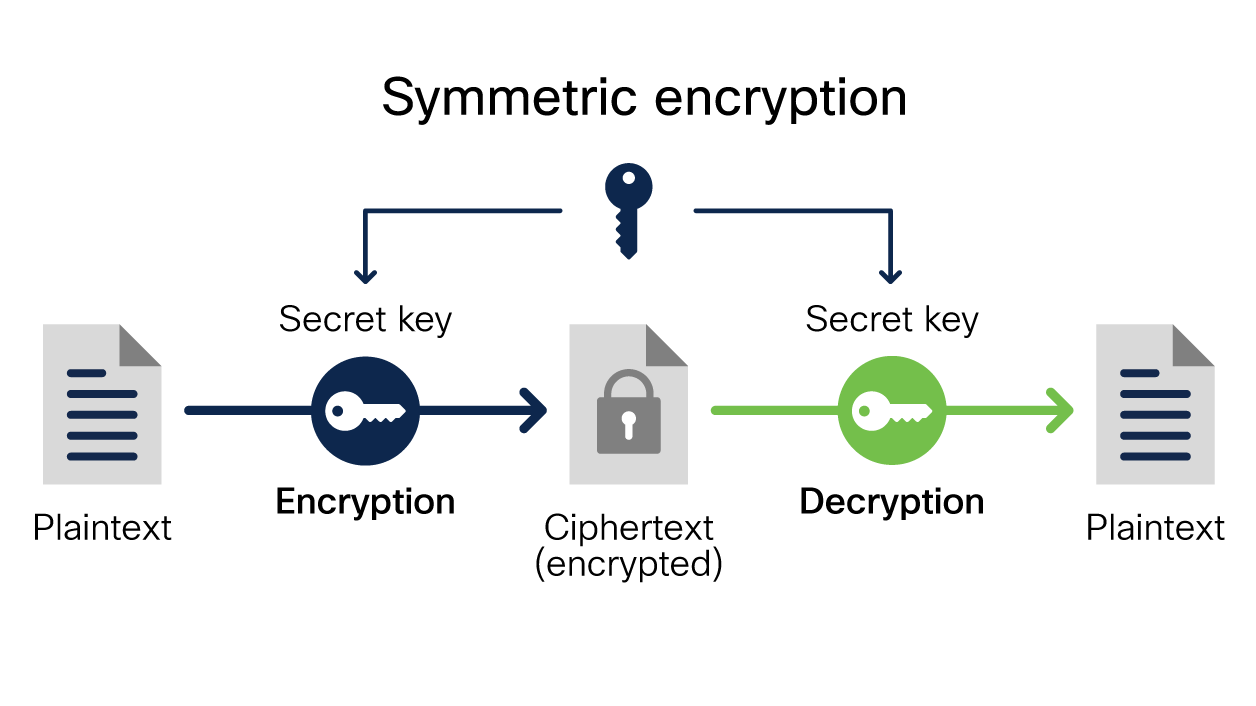
Symmetric encryption, private key encryption, uses the same key to encrypt and decrypt data. The key must be transferred to the same destination as the ciphertext which causes obvious security problems. The key can be intercepted as easily as the ciphertext message to decrypt the data. For this reason asymmetric encryption can be used instead.
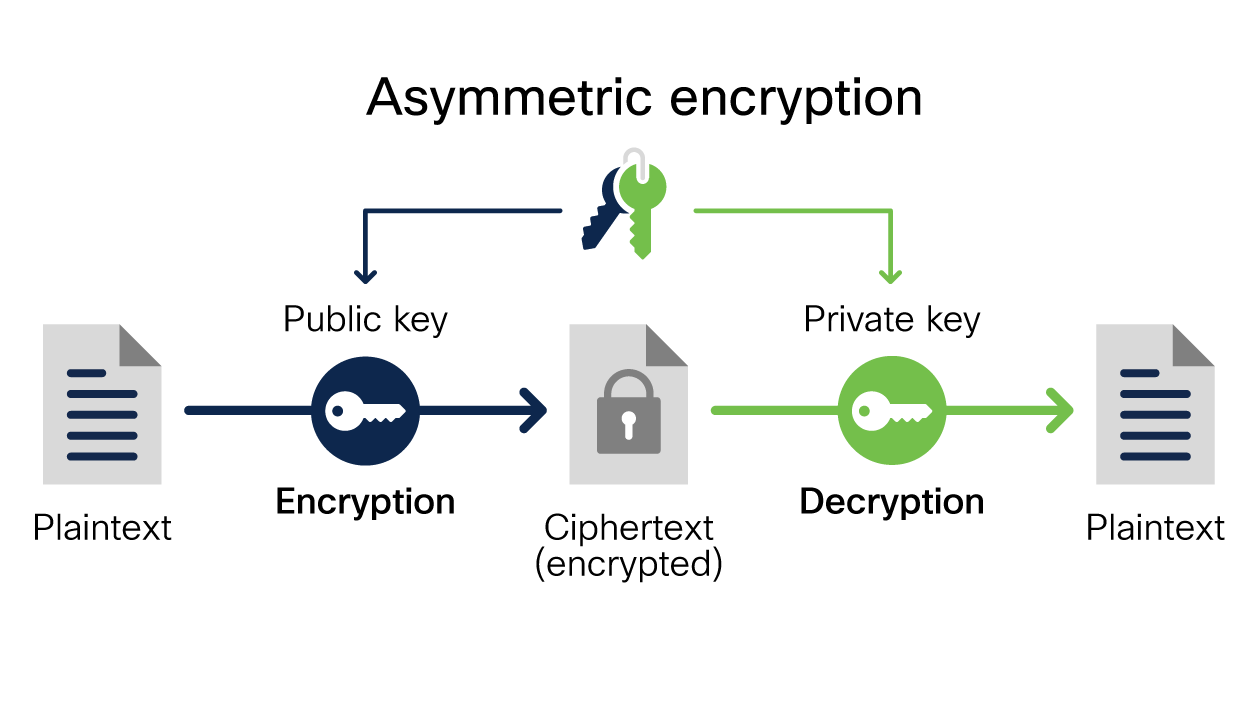
Asymmetric encryption uses two separate, but related keys. One key, known as the public key, is made public so that others wishing to send you data can use this to encrypt the data. This public key cannot decrypt data. Another private key is known only by you and only this can be used to decrypt the data. It is virtually impossible to deduce the private key from the public key. It is possible that a message could be encrypted using your own public key and sent to you by a malicious third party impersonating a trusted individual. To prevent this, a message can be digitally ‘signed’ to authenticate the sender.
A blockchain is a decentralized, distributed, and oftentimes public, digital ledger that is used to record transactions across many computers so that any involved record cannot be altered retroactively, without the alteration of all subsequent blocks.
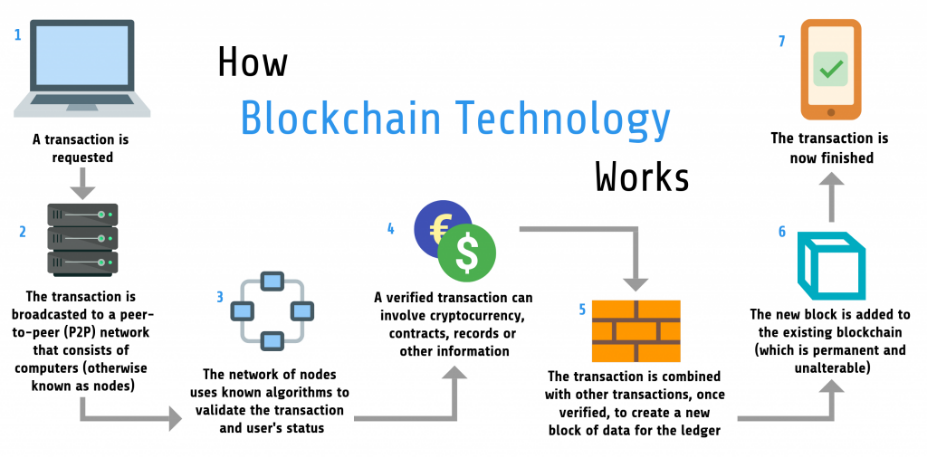
What are the features of Blockchain?
All transactions are written on the ledger
Transaction irrevocability
Distributed - means there is no central authority
Easy to share data on transactions, contracts, etc.