Artificial intelligence. Augmented and virtual reality.
AI implementation
AI consists of many sub-fields, using a variety of techniques, such as:
Neural Networks – e.g. brain modeling, time series prediction, classification
Evolutionary Computation – e.g. genetic algorithms, genetic programming
Vision – e.g. object recognition, image understanding
Robotics – e.g. intelligent control, autonomous exploration
Expert Systems – e.g. decision support systems, teaching systems
Speech Processing– e.g. speech recognition and production
Natural Language Processing – e.g. machine translation
Planning – e.g. scheduling, game playing
Machine Learning – e.g. decision tree learning, version space learning
Scope of application
Healthcare for assisting doctors
Education for automating grading system
Autonomous Vehicles for advanced features
Business for the smoothening overall process
Travel Industry for predicting pricing pattern
Social Media for serving personalized experience
Gaming Industry
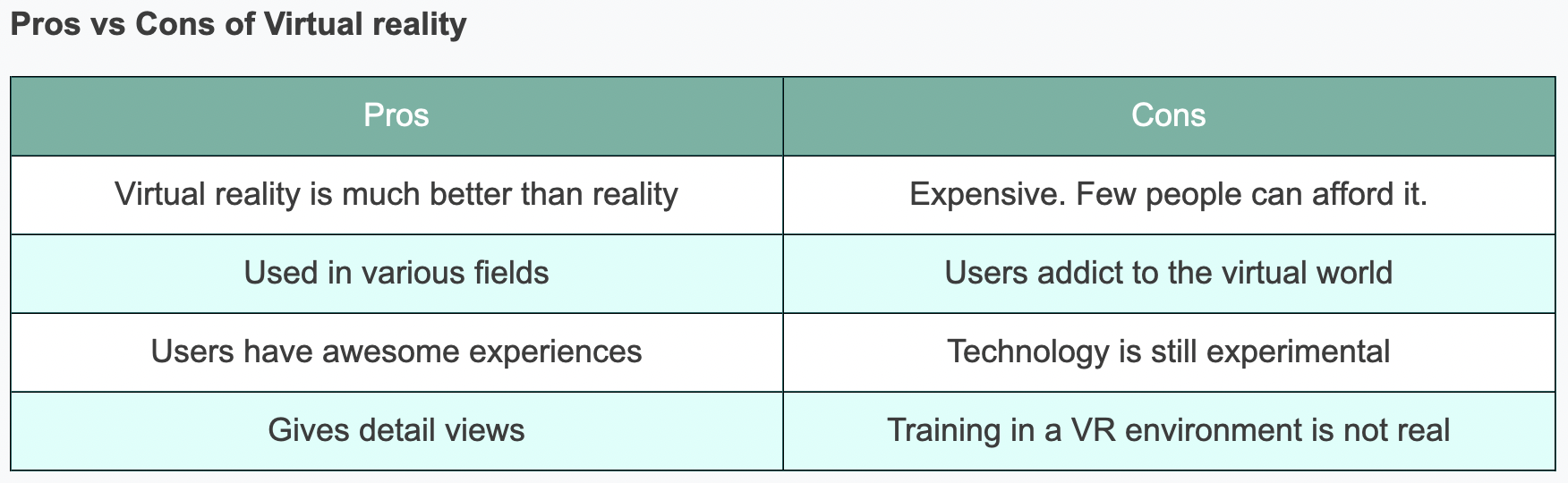
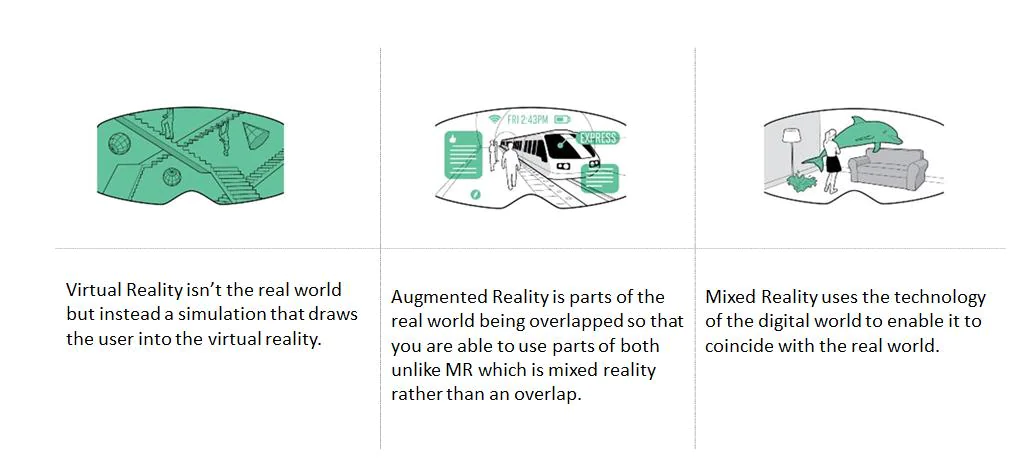
Virtual reality (VR) is a simulated experience that can be similar to or completely different from the real world.